
Fort Lauderdale, FL, Aug. 11, 2026 (GLOBE NEWSWIRE) — The Rehab Podcast, hosted by osteopathic physician Mark Leeds, D.O. on the Mental Health News Radio Network, is refocusing its coverage on benzodiazepine-related conditions: benzodiazepine-induced neurological dysfunction (BIND), protracted withdrawal, and the practical work of tapering and deprescribing.
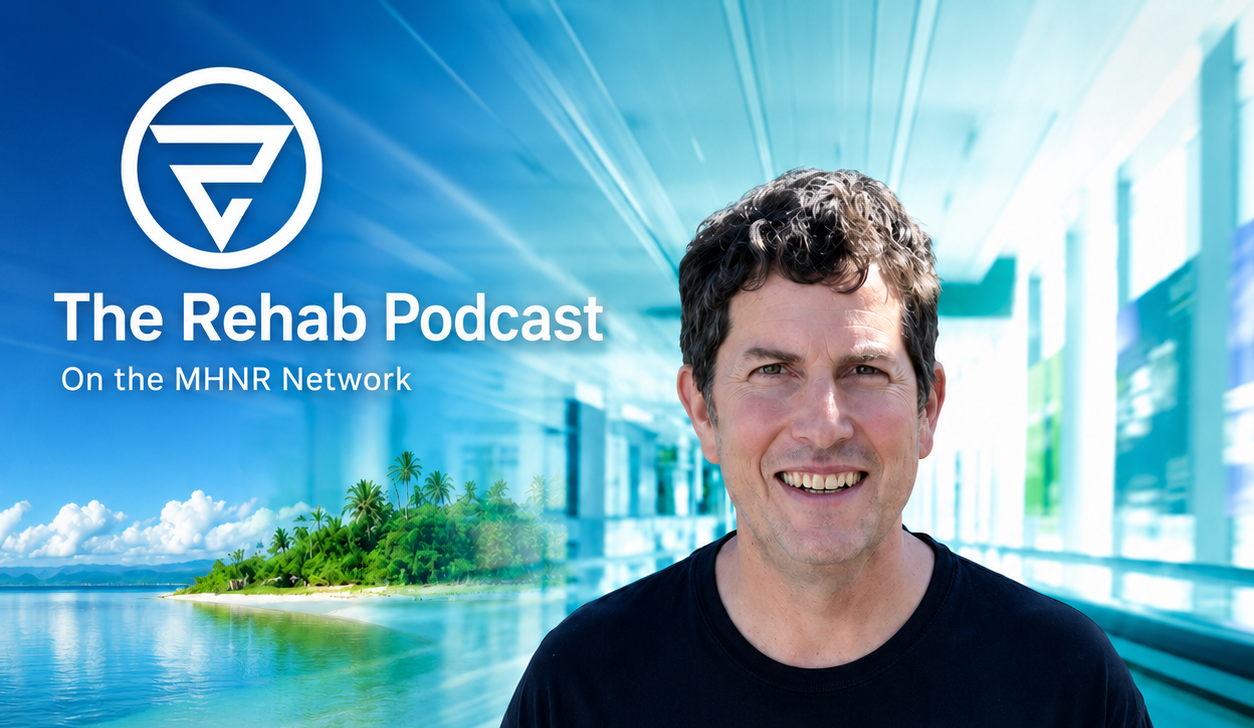
Mark Leeds, D.O., osteopathic physician and host of The Rehab Podcast, based in Fort Lauderdale, Florida.
BIND is a term proposed in a 2023 PLOS ONE survey study by Ritvo and colleagues, describing the constellation of functionally limiting neurological symptoms, physical and psychological, that can persist long after benzodiazepine exposure, along with the life consequences that follow them. It names something that acute withdrawal, as traditionally defined, does not.
Why the show is changing direction
The shift follows the direction of the host’s medical practice, which is now devoted almost entirely to benzodiazepine tapering. It also reflects a distinction the show intends to keep making: physical dependence on a prescribed benzodiazepine is not addiction. The DSM-5-TR preserves that line itself, specifying that tolerance and withdrawal are not counted toward a substance use disorder diagnosis in people taking a medication solely under appropriate medical supervision.
In practice the line is routinely lost. Patients who took a medication exactly as directed, and who then discover they cannot stop taking it, are handled as though they had a substance use disorder. That misreading shapes how they are spoken to, what treatment they are offered, and how often their withdrawal symptoms are mistaken for a returning psychiatric illness.
What the show will cover
Planned coverage includes BIND and protracted withdrawal, hyperbolic tapering, the difficulty patients face obtaining the small and non-standard doses a slow taper requires, and the role of compounding pharmacies in supplying them. Episodes draw on the Ashton Manual and the Maudsley Deprescribing Guidelines as reference points, alongside the informed-consent questions raised by long-term prescribing.
The broader argument: universal tapering
Running underneath the benzodiazepine focus is a broader argument the host describes as universal tapering: that the recurring failure in the treatment of drug dependence is abrupt cessation, and that the right pharmacological support makes gradual reduction possible. Buprenorphine allows a long, slow opioid taper much as diazepam substitution does in the Ashton method. The Sinclair Method reaches a comparable result in alcohol treatment by an entirely different mechanism, using naltrexone to extinguish the reinforcement that drives drinking. The comparison is between methods, not between patients. The distinction between dependence and addiction is exactly what gets lost when these conditions are grouped together.
The transition is already underway
The most recent episode is an interview with Barbara Connolly, PhD, senior admin of the Benzo Warrior Community, an online group for people learning to come off these medications without being harmed in the process. The episode covers what a safe taper actually requires: the Maudsley guidelines, the Ashton Manual, liquid titration, weighing tablets, and what patients do when the prescriber holding the pad has never run a taper. It is available at therehab.com.
The program has also long interviewed filmmakers and advocates documenting psychiatric medication harm, including the team behind the documentary Medicating Normal, and that work continues alongside the clinical material.
“A great deal of what I see in these patients was not caused by the medication. It was caused by stopping it too quickly,” said Dr. Leeds. “The principles that make a taper survivable are not mysterious, and they are not unique to one drug. What is missing is the willingness to go slowly, and prescribers who know how to do it.”
The Rehab Podcast is booking guests
Dr. Leeds is seeking clinicians, researchers, pharmacists, and advocates working in benzodiazepine deprescribing and related areas, as well as people who want to describe their own experience of tapering, withdrawal, or BIND. Inquiries may be submitted through the contact form at therehab.com by selecting “Being a Guest on The Rehab Podcast.”
Dr. Leeds is also available for interviews on benzodiazepine tapering, BIND and protracted withdrawal, deprescribing in clinical practice, and the distinction between physical dependence and addiction.
The Rehab Podcast is educational and is not a substitute for individualized medical care. Listeners are advised not to change any prescribed medication without the supervision of a qualified physician. Abrupt discontinuation of a benzodiazepine can be dangerous.
ABOUT THE REHAB PODCAST
The Rehab Podcast is hosted by Mark Leeds, D.O. and published on the Mental Health News Radio Network. The program focuses on benzodiazepine-related conditions, including BIND, protracted withdrawal, tapering, and deprescribing, and on the broader principle that gradual, medication-supported dose reduction is safer than abrupt cessation. Its archive of episodes and articles is available at therehab.com.
ABOUT MARK LEEDS, D.O.
Mark Leeds, D.O. is an osteopathic physician based in Fort Lauderdale, Florida, whose practice focuses on benzodiazepine and psychiatric medication tapering through slow, individualized dose reductions. He serves on the medical advisory board of the Benzodiazepine Information Coalition and practices concierge telemedicine throughout Florida. Learn more at drleeds.com.
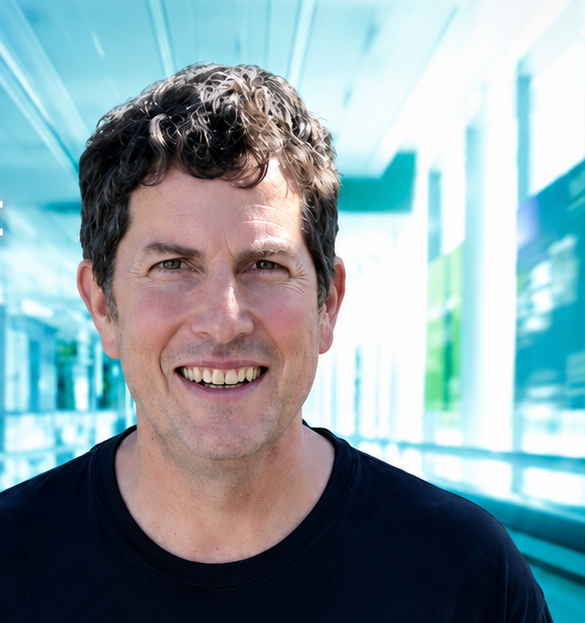
The Rehab Podcast, published on the Mental Health News Radio Network, focuses on benzodiazepine tapering, protracted withdrawal, and benzodiazepine-induced neurological dysfunction (BIND).
Press Inquiries
Mark Leeds, D.O.
info [at] drleeds.com
954-776-6226
https://drleeds.com
3290 NE 33rd Street, Fort Lauderdale, FL 33308
A video accompanying this announcement is available here: https://youtube.com/watch?v=RlGxYRQ3VlY


